Imagine a garden where the only buzzing comes from happy bees and not the sound of pesky pests munching away at your prized tomatoes. Natural pest control isn’t just a trend; it’s a lifestyle choice that keeps your garden thriving without the need for harsh chemicals. Who needs a can of bug spray when nature has its own army of defenders?
Understanding Natural Pest Control
Natural pest control emphasizes methods that rely on ecological balance instead of harmful chemicals. This approach fosters a healthy garden ecosystem where beneficial insects thrive.
Definition and Importance
Natural pest control refers to managing pests through ecological practices rather than synthetic pesticides. This method relies on beneficial organisms to regulate pest populations. Effective strategies include introducing natural predators like ladybugs, using companion planting, and applying organic repellents. By prioritizing natural solutions, gardeners reduce chemical use, enhancing soil health and biodiversity. Healthy ecosystems support pollinators, improving overall garden productivity.
Historical Context
Natural pest control has roots in traditional farming practices. Ancient agricultural societies utilized beneficial insects long before synthetic pesticides emerged. Techniques like crop rotation and intercropping helped manage pests sustainably over centuries. As awareness of chemical impacts on health and the environment grew, recent movements have revived sustainable methods. Organic farming regulations now encourage practices that align with historical pest management approaches. Understanding this history highlights the importance of returning to nature-based solutions for pest issues.
Methods of Natural Pest Control
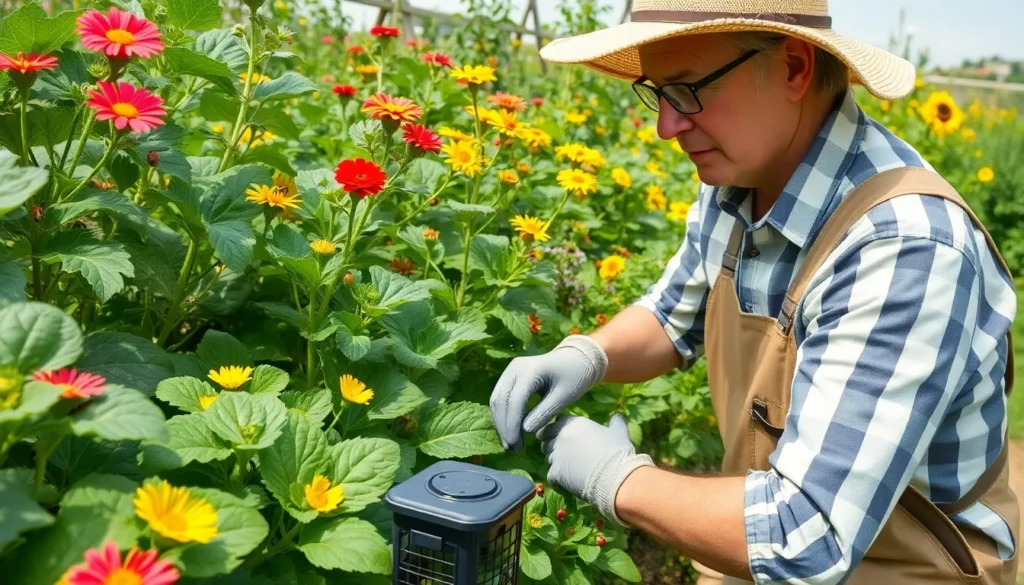
Natural pest control methods focus on maintaining ecological balance while effectively managing pest populations. This approach employs various techniques benefiting both the garden and the environment.
Biological Control
Biological control involves using natural enemies to reduce pest populations. Predators like ladybugs or parasitic wasps effectively target specific pests, minimizing the need for chemical interventions. Introducing beneficial insects helps establish a natural balance, allowing plants to thrive. Additionally, fungi and bacteria can act as biopesticides, offering another layer of protection. These methods promote sustainability and enhance biodiversity, keeping gardens healthy in an eco-friendly manner.
Cultural Practices
Cultural practices encompass gardening techniques that create an inhospitable environment for pests. Crop rotation disrupts pest life cycles, reducing infestations over time. Planting cover crops not only enriches the soil but also provides habitat for beneficial insects. Maintaining proper plant spacing improves air circulation, lowering humidity levels that often favor pest development. Regularly removing debris and keeping gardens tidy also minimizes hiding spots for unwanted visitors, promoting healthier growth without chemicals.
Mechanical and Physical Control
Mechanical and physical control methods involve using barriers and traps to deter pests. Floating row covers protect plants from insects while allowing light and moisture to penetrate. Sticky traps help monitor and reduce pest populations effectively. Handpicking larger pests like caterpillars or beetles remains an effective technique for small gardens. Additionally, introducing physical barriers such as fences prevents larger animals from disturbing plants. Employing these strategies supports natural pest management while ensuring garden vitality.
Benefits of Natural Pest Control
Natural pest control promotes ecological balance and fosters a healthier garden environment. This approach benefits both plants and wildlife, creating a thriving ecosystem.
Environmental Impact
Natural pest control significantly reduces the reliance on synthetic pesticides, lessening chemical runoff and protecting local water sources. Beneficial insects, such as ladybugs, help maintain pest populations without disrupting the ecosystem. Sustainable practices, like crop rotation, enhance soil health and biodiversity. Organic repellents possess minimal environmental footprints, preserving natural habitats. Overall, these methods align with ecological principles, making them more favorable for long-term environmental health.
Health Considerations
Natural pest control methods prioritize human health by avoiding harmful chemicals that pose risks to people and pets. Organic solutions minimize exposure to toxins, contributing to safer gardening practices. Gardens managed through these methods often yield healthier produce, free from chemical residues. Increased biodiversity in gardens can lead to fewer pests, reducing the need for intervention. Adopting natural pest control fosters a safer environment for families while ensuring a more sustainable food source.
Challenges and Limitations
Natural pest control presents certain challenges and limitations that can affect its overall effectiveness. Understanding these aspects helps in making informed decisions while managing gardens.
Effectiveness Compared to Chemical Methods
Natural pest control methods generally take longer to show results compared to synthetic chemical solutions. Beneficial insects like ladybugs may not always provide immediate relief from infestations. While chemical pesticides offer rapid action, relying on predators requires a stable ecosystem and proper timing. For instance, introducing beneficial insects at the wrong life stage may reduce effectiveness. Many gardeners report that persistent pests can overwhelm natural strategies, making integrated pest management approaches appealing. Thus, recognizing slower efficacy plays a crucial role in evaluating pest control options.
Adoption and Awareness Issues
Many gardeners remain unaware of natural pest control techniques and their benefits. This lack of knowledge often leads to continued reliance on chemicals, perpetuating cycles of chemical use. Furthermore, misconceptions about the efficiency of natural methods can deter individuals from trying new approaches. Training resources and community workshops can be limited in some areas, contributing to the knowledge gap. Cultural habits deeply rooted in traditional farming may also hinder acceptance of organic methods. Dispersing accurate information regarding natural pest control boosts adoption rates and enhances gardening practices.
Natural pest control offers a sustainable approach to gardening that benefits both plants and the environment. By embracing methods that prioritize ecological balance and biodiversity, gardeners can cultivate healthier spaces free from harmful chemicals. The use of beneficial insects and organic practices not only promotes a thriving garden but also supports a safer ecosystem for families and wildlife alike.
While challenges exist in transitioning from chemical reliance to natural methods, the long-term advantages far outweigh the initial hurdles. Increased awareness and education can empower gardeners to adopt these practices, leading to a flourishing garden that thrives on nature’s principles. Choosing natural pest control is a step toward a healthier planet and a more vibrant gardening experience.