Recycling might not sound like the most exciting topic, but it’s the superhero of sustainability that’s ready to save the planet—one bottle at a time. Imagine your trash can transforming into a treasure chest, filled with materials that can be reborn into something new. It’s like magic, but with a lot more cardboard and fewer rabbits.
Understanding Recycling
Recycling represents a vital process for managing waste effectively. It involves converting discarded materials into new products, thereby conserving resources and reducing pollution.
What Is Recycling?
Recycling encompasses the collection and processing of materials such as paper, glass, metals, and plastics. It transforms these materials into raw materials for manufacturing. Each time individuals recycle, they contribute to a circular economy that minimizes waste. This process helps keep valuable resources in use rather than discarding them.
Importance of Recycling
Recycling plays a crucial role in conserving natural resources. It reduces the demand for raw materials, protecting forests, water supplies, and wildlife. Environmental benefits include decreased landfill waste and reduced carbon emissions. According to the Environmental Protection Agency, recycling and composting prevented the release of 186 million metric tons of carbon dioxide equivalent into the air in 2018. By recycling, communities also create job opportunities in processing and manufacturing sectors, supporting local economies.
Types of Recyclable Materials
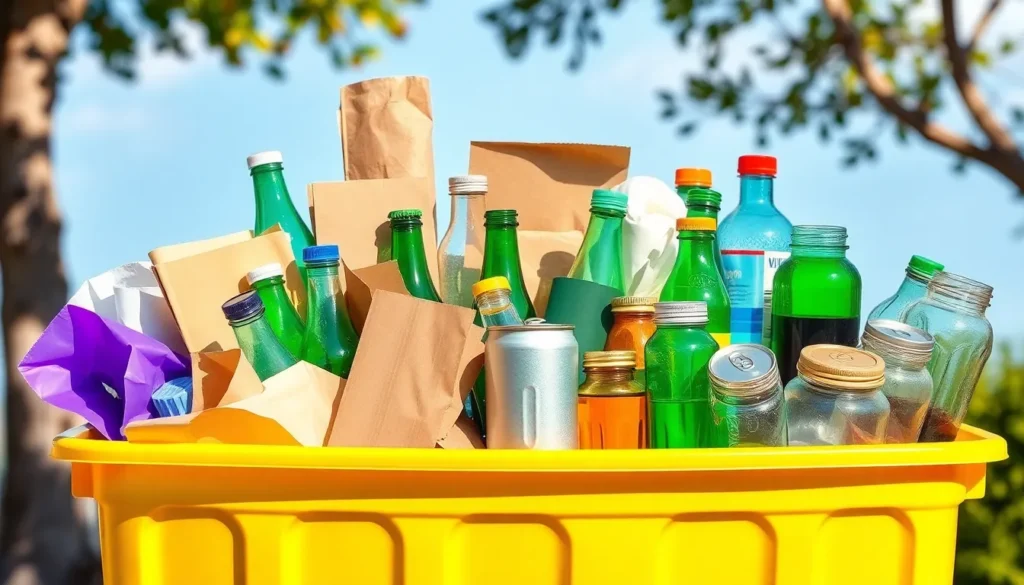
Recyclable materials encompass various items that can be processed to create new products. Understanding these categories aids in proper waste management.
Paper and Cardboard
Paper and cardboard make up significant components of recycling programs. Collecting newspapers, office paper, and cardboard boxes reduces the demand for virgin materials. Recycling one ton of paper conserves approximately 24,000 gallons of water and minimizes greenhouse gas emissions by 1.7 tons. It’s essential to remove non-recyclable items like plastic laminates to ensure processing efficiency. Moreover, corrugated cardboard, often used in shipping, is highly valuable and can be recycled multiple times.
Plastics
Plastics represent a diverse group of materials frequently found in packaging. Commonly recycled plastics include bottles, containers, and certain types of bags. Each type of plastic is identified by a recycling symbol, typically ranging from 1 to 7, indicating its category. Recycling these materials helps conserve petroleum resources and saves energy during production. The process reduces landfill waste, as creating new plastic from recycled materials uses 88% less energy compared to producing it from raw materials.
Metals
Metals like aluminum and steel are prime candidates for recycling due to their durability and recyclability. Aluminum cans, for instance, can be recycled infinitely without losing quality. Recycling one aluminum can saves enough energy to run a TV for three hours, illustrating the energy efficiency of metal recycling. Steel products can also be recycled and reused multiple times, contributing to a sustainable economy. Collecting scrap metal not only conserves resources but also significantly reduces pollution.
Glass
Glass recycling involves collecting bottles and jars, which are 100% recyclable and can be remade without loss of quality. Each ton of recycled glass saves about 1,200 pounds of virgin materials, minimizing mining impacts. Recycled glass reduces energy consumption in manufacturing, making it an eco-friendly choice. Properly rinsed and sorted glass containers are ideal for recycling facilities. Additionally, recycling glass prevents landfill overflow and limits greenhouse gas emissions from production processes.
How to Start Recycling
Starting a recycling routine promotes a sustainable lifestyle. Establishing simple practices makes a significant impact on waste management.
Setting Up a Recycling System at Home
Begin by designating a specific area for recycling materials. Use separate bins for paper, plastics, metals, and glass. Label each bin clearly for easy identification. Incorporate a routine for rinsing containers before disposal, ensuring cleanliness for better recycling outcomes. Involve family members in the process; educating them on recycling can increase participation. Set reminders to empty bins regularly to prevent overflow. Participating in community recycling programs can enhance recycling efforts at home.
Common Recycling Mistakes to Avoid
Avoid mixing non-recyclable items with recyclables. Contamination can lead to entire batches of materials being rejected. Educate yourself on local recycling guidelines; each community may have different rules regarding acceptable materials. Forgetting to rinse containers often results in contamination. Recycling plastic bags in home bins creates complications; these often require specialized sorting. Do not assume all plastics are recyclable; familiarize yourself with recycling symbols for clarity. Ensure correct disposal of hazardous materials; these require special handling to prevent environmental harm.
Local Recycling Programs
Local recycling programs play a crucial role in promoting sustainable waste management. These initiatives vary by region, making it essential for residents to understand their specific options.
Finding Your Local Program
Discovering a local recycling program begins with a simple search online. Most municipalities provide dedicated websites with up-to-date information. Residents can also call their local waste management office for guidance. Knowing the available programs allows individuals to participate actively in sustainability efforts. Local community centers often have materials or brochures detailing recycling options, making resources more accessible. Engaging with local social media groups can yield additional insights about neighborhood recycling initiatives.
Guidelines and Resources
Each recycling program has specific guidelines that residents should follow for optimal participation. Understanding materials accepted for recycling helps prevent contamination. Many programs offer detailed lists, available online or in printed form at local government offices. It’s important to familiarize oneself with common practices, such as rinsing containers and sorting various types of materials. Additionally, online resources, such as the Environmental Protection Agency’s website, provide valuable recycling information and educational materials. Local workshops frequently promote best practices, encouraging community involvement in recycling efforts.
Embracing recycling is a powerful way to contribute to a sustainable future. By understanding the types of materials that can be recycled and implementing effective practices at home, individuals can make a significant impact. Every small effort counts in reducing waste and conserving resources.
Engaging with local recycling programs not only enhances community involvement but also ensures that everyone is informed about proper recycling methods. As awareness grows and participation increases, the positive effects on the environment become more pronounced.
Ultimately, adopting a proactive approach to recycling fosters a cleaner planet and a healthier ecosystem for future generations. It’s time to turn the tide on waste and make recycling a fundamental part of everyday life.