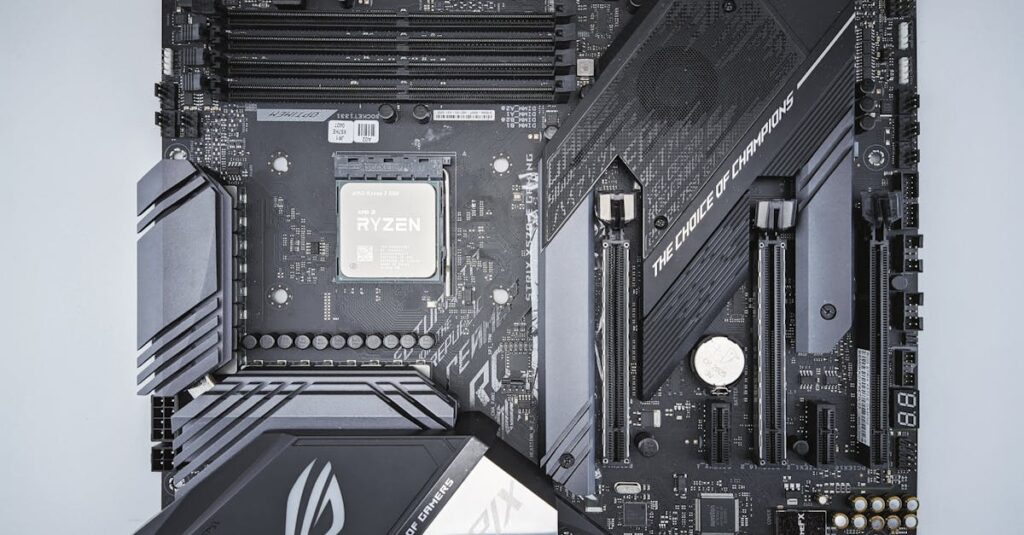
In the world of gaming, every millisecond counts. Picture this: you’re in the heat of battle, heart racing, and your PC decides it’s the perfect time for a coffee break. Frustrating, right? Optimizing a PC for gaming isn’t just a techie hobby; it’s a mission to transform that sluggish machine into a gaming powerhouse.
Understanding PC Optimization
Optimizing a PC for gaming significantly enhances its performance. This process targets various elements to ensure smoother gameplay and improved visual quality.
Importance of Optimization for Gaming
Optimization serves as a key factor in achieving the best gaming experience. Every adjustment made can lead to increased frame rates and reduced latency. Higher frame rates contribute to smoother graphics, allowing players to respond quickly. Tweaking settings minimizes resource overload, enhancing overall system stability. A well-optimized machine improves gameplay fluidity and reduces interruptions that distract players. Optimizing a PC also prolongs hardware lifespan by preventing overheating and excessive wear.
Common Performance Issues
Several common performance issues hamper gaming experiences. Lag poses a significant challenge, often emerging from insufficient hardware capabilities. Low frame rates frustrate gamers, especially in fast-paced environments. Graphics stuttering interrupts the visual flow, leading to a less immersive experience. Overheating becomes problematic as it throttles performance, impacting processor speeds. Disk fragmentation can slow loading times, causing delays in accessing game files. Addressing these issues allows users to enjoy a seamless and engaging gaming experience.
Essential Hardware Upgrades
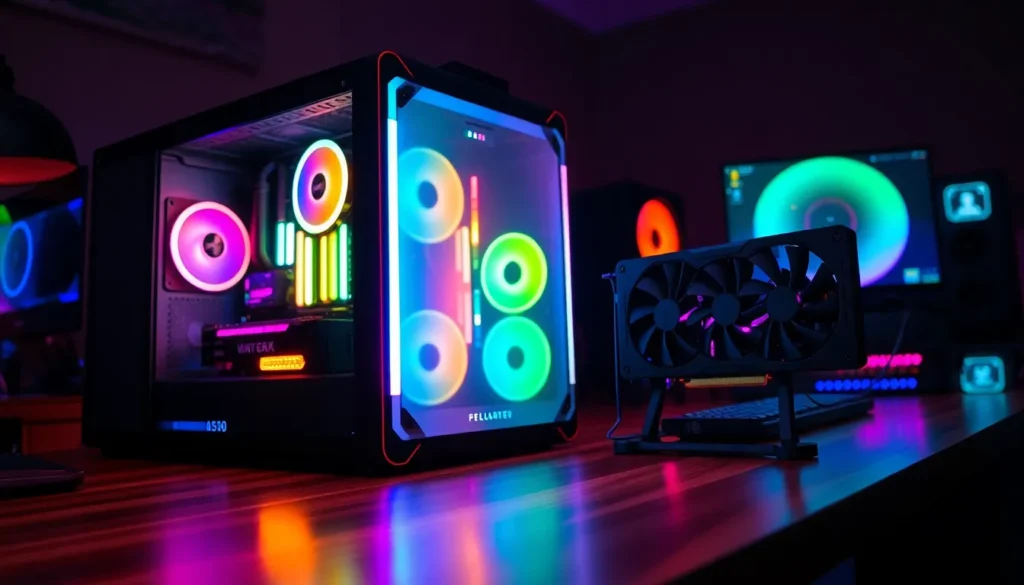
Upgrading hardware components is critical for optimizing a PC for gaming. Improved parts can lead to higher performance, smoother gameplay, and enhanced graphics.
Upgrading RAM
Increasing RAM boosts gameplay performance significantly. Many modern games require at least 16 GB for optimal performance, providing the necessary resources for intensive tasks. Gamers often report substantial improvements with 32 GB, allowing for multitasking without lag. Enhanced memory contributes to better frame rates and faster loading times. Additionally, faster RAM speeds can further optimize performance, especially when paired with a compatible motherboard.
Enhancing Graphics Card
A powerful graphics card elevates gaming experiences substantially. The GPU directly impacts visual quality and frame rates, making it a primary consideration for gamers. Upgrading to a card with at least 6 GB of video memory proves beneficial for running graphically demanding games smoothly. Notably, brands like NVIDIA and AMD offer robust options tailored for various budgets and performance levels. Graphic settings can be adjusted higher when using a more advanced GPU, creating visually stunning environments in games.
Software Tweaks for Optimization
Optimizing software settings contributes significantly to better gaming performance. By making specific adjustments, users can enhance their overall experience and reduce potential issues.
Updating Drivers
Updating drivers ensures compatibility and maximizes system performance. Graphics and audio drivers often receive updates that improve stability and enhance features. Regular checks on the manufacturer’s website can prevent potential lag issues. Performance issues frequently arise when drivers become outdated, creating dips in frame rates or increased latency. NVIDIA and AMD provide user-friendly applications that simplify the process of keeping drivers up to date. Utilizing these tools can lead to noticeable improvements in gaming performance.
Adjusting Game Settings
Adjusting in-game settings tailors performance to the user’s hardware capabilities. Lowering graphic settings, such as textures and shadows, can increase frame rates significantly. Disabling features like V-Sync may enhance responsiveness, though it can lead to screen tearing. Many modern games offer preset configurations optimized for different hardware specifications. By selecting a customized setting, players can strike a balance between visual quality and smooth gameplay. Regularly revisiting these options based on newly installed hardware can ensure optimal performance.
System Cleanup Techniques
System cleanup techniques are vital for maintaining optimal gaming performance. This process involves freeing up disk space and ensuring smoother operation.
Disk Cleanup and Defragmentation
Disk cleanup removes unnecessary files, which can enhance performance. Users can access the built-in Disk Cleanup tool in Windows to delete temporary files and system caches. Regularly performing this function can reclaim significant disk space. Additionally, defragmenting hard drives further improves access speed. Windows also includes a defragmentation tool. Using it streamlines data storage on hard drives, resulting in faster game loading times. Regular cleanup and defragmentation lead to an overall increase in gaming efficiency.
Managing Startup Programs
Managing startup programs helps improve boot times and free system resources. Many applications automatically run at startup, consuming valuable RAM and processing power. Accessing the Task Manager allows users to disable unneeded startup programs easily. Disabling unnecessary applications reduces the load on the system, leading to improved game performance. Users should focus on essential applications to ensure optimal startup efficiency. Routine checks keep performance levels high and minimize potential lag during gaming sessions.
Network Optimization
Network optimization is crucial to enhance gaming performance, as a stable and fast internet connection minimizes disruptions. Focusing on internet speed and latency is vital for enjoying an uninterrupted gaming experience.
Improving Internet Speed
Improving internet speed significantly boosts gaming performance. Gamers benefit from using a wired Ethernet connection instead of Wi-Fi, which ensures a consistent signal. Bandwidth can also be increased by upgrading to a faster internet plan, ideally with speeds exceeding 25 Mbps for smooth gameplay. Minimizing other connected devices during gaming sessions prevents network bottlenecks, as multiple devices can consume precious bandwidth. Additionally, utilizing Quality of Service (QoS) settings on routers prioritizes gaming traffic, ensuring lower latency and better overall performance.
Reducing Latency
Reducing latency enhances response times in online gaming. Gamers should select servers closest to their geographical location, as proximity directly impacts ping times. Testing latency through various speed test tools helps identify optimal servers and connections. Adjusting router configurations like MTU settings can further help minimize latency. Furthermore, keeping background applications closed prevents unnecessary strain on bandwidth, while regular router reboots maintain optimal performance by clearing cache and refresh connections. Reducing latency leads to a more fluid gaming experience, allowing for quick reactions and smoother gameplay.
Optimizing a PC for gaming is essential for anyone looking to enhance their gaming experience. By addressing hardware upgrades software tweaks and system maintenance gamers can significantly improve performance. This not only leads to smoother gameplay but also prolongs the lifespan of the hardware.
Investing in key components like RAM and a powerful graphics card can make a noticeable difference. Regularly updating drivers and managing system resources further ensures that the PC runs efficiently. Network optimization plays a crucial role as well providing a stable and fast connection for online gaming.
With these strategies in place gamers can enjoy a seamless experience free from lag and interruptions. Taking the time to optimize a PC ultimately transforms it into a formidable gaming machine ready for any challenge.