In the ever-evolving world of social media, acronyms pop up faster than a cat meme goes viral. One term that’s taken the digital realm by storm is “OP.” But what does it really mean? Is it the latest slang for “overpowered,” a nod to gaming culture, or perhaps an abbreviation for “original poster”? Spoiler alert: it’s all of that and more!
Table of Contents
ToggleUnderstanding Op Meaning in Social Media
The acronym “OP” carries various meanings in social media, reflecting its adaptability in digital communication. Each interpretation highlights the shifting dynamics of online interaction.
Origin of the Term
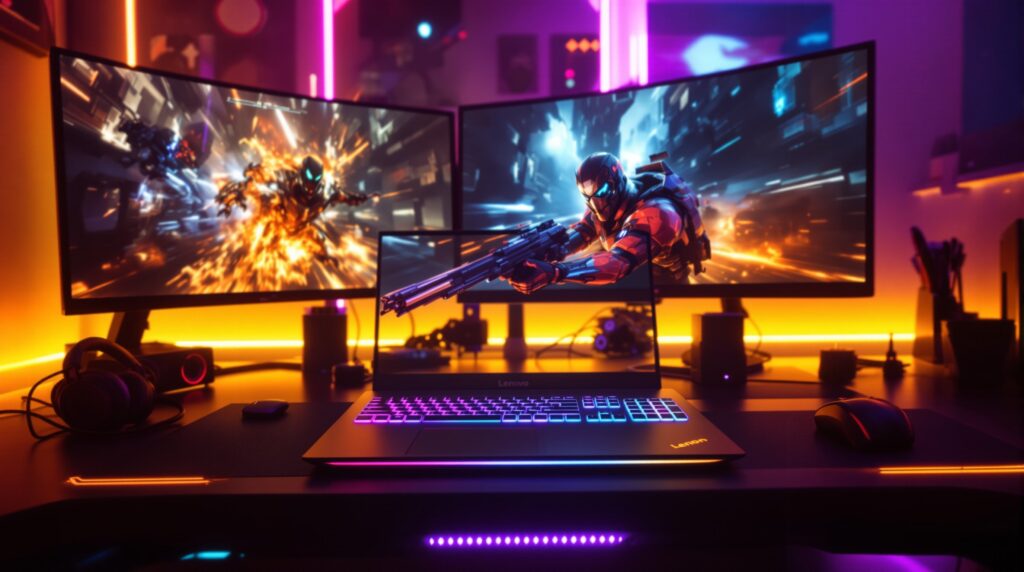
Originally, “OP” emerged in gaming communities as “overpowered.” Players often used it to describe characters or abilities that offered a significant advantage in gameplay. This term quickly gained traction among gamers. Following its gaming roots, “OP” also evolved to signify the “original poster” in forums and discussion threads. Users commonly refer to the person who first shares content, acknowledging their contribution. Online conversations revolve around attributing ideas to the original source, making “OP” a vital term in these contexts.
Evolution Over Time
Over time, “OP” evolved beyond gaming and forum discussions. Social media platforms embraced the term, leading to broader interpretations. In meme culture, “overpowered” transformed into an adjective describing any phenomenon perceived as excessively strong. New users frequently adopt the term to comment on content that showcases remarkable traits or performances. Similarly, “original poster” gained significance across social media. Users now reference “OP” in comments, threads, and direct messaging, enhancing discussions about the contribution’s context. This ongoing evolution illustrates the fluidity of language in digital spaces, where terms continually adapt to user needs.
Contextual Usage of “Op”
The acronym “OP” finds widespread use across different social media platforms, each interpreting it in unique ways.
Popular Platforms
On Facebook, “OP” often refers to the “original poster” in discussions, attributing credit to those initiating conversations. Twitter users embrace the term to quickly highlight the creator of shared content, especially in retweets and replies. TikTok frequently sees “OP” employed to reference the user whose video sparked a trend or challenge, creating a sense of community ownership. Platforms like Reddit utilize “OP” to distinguish between the original content contributor and others participating in the thread. These varied implications illustrate how “OP” enhances engagement while fostering recognition among users.
Different Meanings in Various Communities
In gaming communities, “OP” predominantly describes characters or skills that dominate gameplay. This descriptive use signals formidable power, effectively influencing player strategies. Meanwhile, online forums embrace “OP” as a nod to the original poster, centralizing discussions around the initial contributor. Specific social media channels adopt “overpowered” to describe anything perceived as excessively beneficial, extending beyond gaming. In niche interest groups, “OP” might develop sub-meanings tailored to that community’s needs, showcasing the term’s versatility across different contexts.
The Impact of Op on Online Interactions
The acronym “OP” significantly shapes online interactions across social media platforms. Understanding its implications reveals how communication evolves in digital spaces.
Positive Aspects
“OP” fosters community engagement by recognizing original contributors. Users appreciate the acknowledgment given to the “original poster” in discussions, encouraging more content sharing. Additionally, the term “overpowered” highlights exceptional skills or content. Players in gaming contexts bond over debates regarding balance and strategy, facilitating a lively exchange of ideas. This interaction promotes collaboration among users with shared interests. The collective use of “OP” enhances group identity and strengthens relationships, showcasing a sense of belonging within communities. Engaging with the term can inspire creativity, motivating others to generate original content and contribute to discussions.
Negative Aspects
Misinterpretation poses a challenge with “OP” across platforms. Users might misconstrue intent or tone, leading to confusion in discussions. Some individuals experience exclusion when they lack familiarity with the term or its context. The dynamic nature of its meanings creates a barrier for newcomers or casual participants. In gaming, labeling characters as “overpowered” invites controversy, sparking debates that can escalate into hostility. Disagreements over “OP” can polarize communities, detracting from collaborative spirit. Consequently, misunderstandings surrounding “OP” can disrupt the flow of conversations, impacting overall user experience.
The term “OP” illustrates the dynamic nature of language in social media. Its evolution from gaming jargon to a widely recognized acronym showcases how communities adapt and expand meanings. Whether referring to the “original poster” or describing something as “overpowered,” “OP” highlights the importance of context in online interactions. As users navigate various platforms, understanding these nuances fosters better communication and engagement. The ongoing transformation of terms like “OP” reflects the ever-changing landscape of digital communication, emphasizing the need for users to stay informed and connected.