Losing an iPhone can feel like losing a piece of your soul—or at least your favorite playlist. But fear not! With the magic of “Find My iPhone,” you can track down that pesky device faster than you can say “where did I leave my keys?” Adding an iPhone to this handy feature is as easy as pie, and trust us, it’s less messy than a slice of chocolate cake.
Understanding Find My iPhone
Find My iPhone simplifies locating lost devices by using GPS technology. This feature allows users to track their iPhones easily.
What Is Find My iPhone?
Find My iPhone is Apple’s built-in app for locating missing devices. It utilizes cloud services and GPS to show the iPhone’s last known location. Users can access the app via another Apple device or through iCloud.com. Notifications are sent when an iPhone goes offline or is found, offering peace of mind.
Why Is It Important?
Using Find My iPhone proves essential for both security and convenience. The feature enables users to secure sensitive data remotely, making it easier to prevent unauthorized access. Tracking down a lost device saves time and effort, reducing the risk of permanent loss. Additionally, this service assists in recovering stolen iPhones, providing users a sense of safety.
Prerequisites for Adding an iPhone
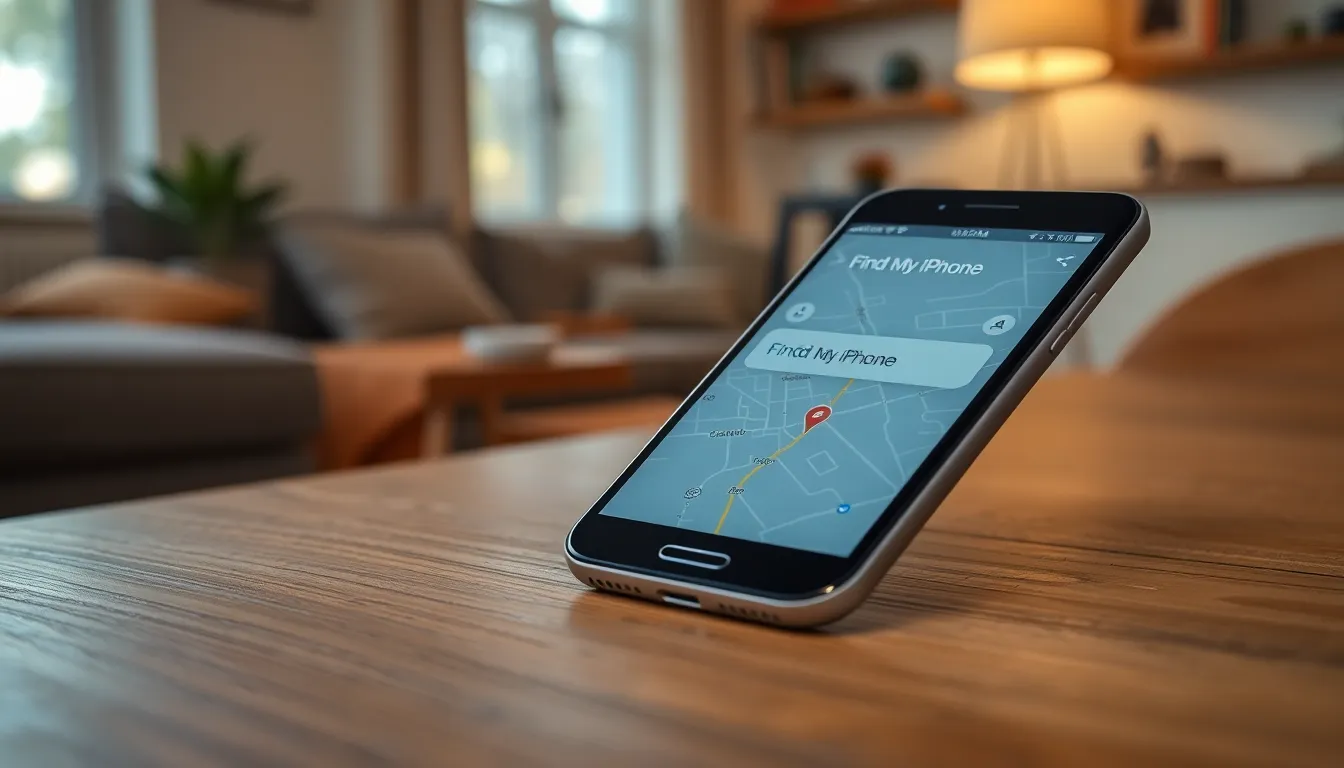
Before adding an iPhone to Find My iPhone, users must ensure certain requirements are met for seamless integration.
Compatible iOS Versions
Compatible iOS versions for Find My iPhone include iOS 13 or later. Users with older versions may not access all functionalities. Upgrading to a newer version often provides enhanced features and improved security. Apple’s regular updates improve overall performance, ensuring the Find My iPhone service works efficiently. Check your device’s software version by navigating to Settings, selecting General, and tapping About. Updating regularly helps keep the device secure and enables compatibility with Find My iPhone.
Apple ID Requirements
An Apple ID is essential for using Find My iPhone. Users must create an Apple ID or log in to an existing one to access the feature. Apple IDs link the device to the user’s personal information, ensuring data is secure and easily retrievable. Activating Find My iPhone requires that the device is added to the Apple ID account. Signing in enables users to track their device’s location and manage settings from multiple Apple devices or iCloud.com. Maintaining accurate account information enhances account security and usability.
Steps to Add an iPhone to Find My iPhone
Adding an iPhone to Find My iPhone is a straightforward process. Follow these steps for successful setup.
Accessing Settings
Start by locating the Settings app on the iPhone’s home screen. Tap the icon to open the app. Scroll down and select your name at the top of the Settings menu. If not signed in, enter the Apple ID credentials. Ensure that you access the correct account for seamless setup.
Enabling Find My iPhone
Within the Apple ID menu, look for the option labeled “Find My.” Tap on it to access the Find My iPhone settings. Once there, toggle on the “Find My iPhone” option. Activating this feature also enables “Send Last Location,” allowing Apple to share the device’s location right before the battery dies. Make sure this setting is confirmed for optimal tracking functionality.
Confirming the Addition
Return to the main Settings screen and navigate back to the Apple ID section. Tap on “Find My iPhone” to confirm that the setting is enabled. A checkmark should indicate that Find My iPhone is successfully activated. Additionally, you may wish to check location-sharing permissions to confirm that the feature works properly within the iCloud framework. This step ensures the device’s location can be accessed remotely.
Troubleshooting Common Issues
Several issues could arise when adding an iPhone to Find My iPhone. Users may encounter problems related to their Apple ID or location services.
Problems with Apple ID
Issues with the Apple ID often cause difficulties when adding an iPhone to Find My iPhone. An incorrect password or an expired account may prevent successful sign-in. Users must ensure that their Apple ID is active and correctly entered in the Settings app. Verifying two-factor authentication settings can also help, as it adds another layer of security. Additionally, resetting the Apple ID password might be necessary if access remains elusive. Users must remember that an active and valid Apple ID is essential for integrating services across all devices.
Location Services Concerns
Users must enable location services for proper functionality of Find My iPhone. Without location services activated, tracking becomes impossible. To resolve this, he or she can navigate to Settings, select Privacy, and then Location Services. Ensuring that the feature is toggled on is crucial. Another common concern involves selecting the proper settings for Find My iPhone; without granting permission for location access, tracking won’t occur. Restarting the device after these adjustments may also enhance functionality, as it helps clear any temporary glitches.
Adding an iPhone to Find My iPhone is a crucial step for anyone looking to safeguard their device. This feature not only provides the ability to track a lost iPhone but also enhances overall security by allowing users to manage their sensitive data remotely. By following the straightforward steps outlined in the article users can easily enable this feature and enjoy the peace of mind that comes with knowing their device can be located.
Regularly checking and updating settings ensures optimal performance and security. With Find My iPhone activated users can feel confident that they have a reliable tool at their disposal for device recovery. Embracing this technology ultimately leads to a safer and more secure experience with their Apple devices.