In a world where single-use plastics seem to multiply like rabbits, sustainable living innovations are stepping up to the plate, ready to save the day. Imagine a future where your morning coffee comes from a cup that’s not just recyclable but edible. Yes, you heard that right—no more guilt over that to-go cup!
Overview of Sustainable Living Innovations
Innovations in sustainable living increasingly address pressing environmental issues like single-use plastics. One remarkable example is the development of edible coffee cups, which eliminate waste while adding a new flavor to beverage enjoyment. This innovative approach not only reduces landfill contributions but also promotes mindful consumption.
Another trend gaining traction is biodegradable packaging. Companies are leveraging materials like cornstarch and mycelium to create alternatives that decompose naturally and promote a circular economy. This shift significantly decreases the reliance on traditional plastics that often persist for hundreds of years in the environment.
Solar panels and energy-efficient appliances play a crucial part in reducing carbon footprints. Homeowners adopting these technologies often experience lower utility bills alongside environmental benefits. Additionally, smart home technologies help consumers monitor and optimize energy usage, leading to smarter consumption patterns.
Urban gardening has emerged as a popular sustainable practice, with many individuals transforming small spaces into productive green areas. Vertical gardens and hydroponics allow city dwellers to grow their own food, reducing supply chain emissions and encouraging local production.
Composting systems represent another innovative solution for managing waste. Those who engage in composting reduce organic waste in landfills, while simultaneously producing nutrient-rich soil for gardens and plant life. This method also fosters a greater understanding of food waste and its environmental impact.
Each innovation offers a unique way to embrace sustainability, highlighting the potential for individuals and communities to make meaningful changes. As these products and practices become more widely accepted, they encourage a cultural shift towards a greener future.
Energy-Efficient Technologies
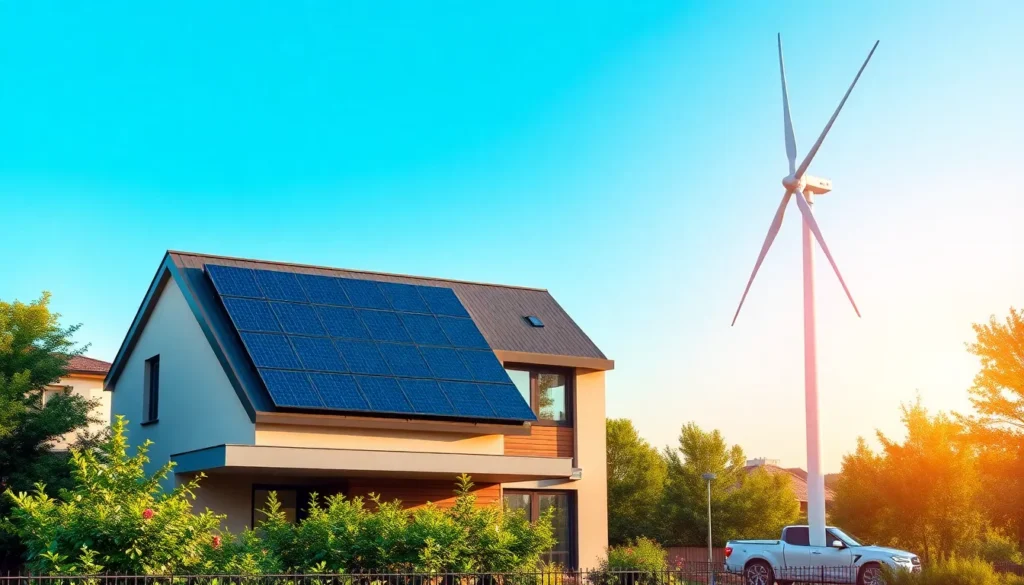
Energy-efficient technologies play a crucial role in promoting sustainable living. Innovations in this area help reduce energy consumption while enhancing daily comforts.
Solar Power Advancements
Solar power technology continues to evolve, increasing efficiency and accessibility. Recent advancements in photovoltaic cells enable higher energy conversion rates, meaning they capture more sunlight with less surface area. Solar panels now integrate seamlessly into building designs, facilitating aesthetic choices for homeowners. Energy storage systems, such as lithium-ion batteries, provide reliable backup power, ensuring availability during peak usage times. Communities increasingly adopt solar farms to harness renewable energy at scale, contributing to reduced reliance on fossil fuels and lower greenhouse gas emissions.
Wind Energy Solutions
Wind energy solutions have gained traction, offering a clean alternative to traditional power sources. Modern wind turbines boast larger rotor diameters and enhanced materials, resulting in higher energy output even at lower wind speeds. Offshore wind farms take advantage of strong coastal winds, optimizing energy production while minimizing land use. Smart grid technologies improve energy distribution, facilitating the integration of wind energy into existing power systems. Innovations in turbine design, such as vertical-axis models, enable installations in urban settings, promoting wider adoption of renewable energy sources.
Sustainable Materials and Practices
Sustainable materials and practices significantly contribute to eco-friendly living. These innovations reduce environmental impact and foster a circular economy.
Eco-Friendly Building Materials
Recycled materials, such as reclaimed wood and recycled steel, enhance building aesthetics while minimizing waste. Bamboo, known for its rapid growth and strength, serves as a sustainable alternative to traditional timber. Additionally, rammed earth construction utilizes natural soil, which reduces the need for manufactured materials. Manufactured materials like hempcrete combine sustainability with durability. They offer excellent insulation properties, reducing energy consumption. Such building materials play a vital role in creating greener communities and provide healthier living spaces.
Waste Reduction Innovations
Innovative waste reduction practices significantly decrease landfill contributions. Upcycling transforms discarded items into usable products, extending their lifecycle. Composting systems convert organic waste into nutrient-rich soil, which supports gardening initiatives. Furthermore, zero-waste stores promote reusable packaging and encourage consumers to forgo single-use items. Technologies that track and minimize food waste contribute to efficient resource management. Each of these practices supports sustainable living while fostering a more mindful approach to consumption.
Water Conservation Techniques
Water conservation techniques play a crucial role in sustainable living. Innovative approaches help manage water usage and ensure this vital resource remains available for future generations.
Smart Irrigation Systems
Smart irrigation systems use technology to optimize water application in landscaping and farming. These systems integrate weather data to adjust watering schedules based on real-time conditions, reducing water waste. By utilizing soil moisture sensors, users receive alerts for optimal watering times, preventing over-irrigation. Installation of drip irrigation also increases efficiency, delivering water directly to plant roots. Furthermore, homeowners and farmers can save up to 50% on water usage, allowing them to maintain healthy gardens and crops while conserving resources.
Water Recycling Methods
Water recycling methods offer effective solutions for conserving water. Graywater systems collect water from sinks, showers, and washing machines, redirecting it for irrigation or toilet flushing. Rainwater harvesting involves collecting rainwater from rooftops in barrels, promoting usage for outdoor purposes. These techniques allow households to recycle 30-50% of their water, significantly reducing dependency on municipal water sources. Installing such systems not only helps the environment but also lowers utility bills, making them financially beneficial as well.
Transportation Innovations
Transportation innovations significantly contribute to sustainable living by reducing environmental impact. Advances in vehicle technology and public systems enhance daily commuting while promoting greener choices.
Electric and Hybrid Vehicles
Electric vehicles (EVs) and hybrids represent a transformative shift in personal transportation. EV sales reached 6.6 million units globally in 2021, showcasing a growing preference for environmentally friendly options. Hybrid cars combine traditional engines with electric motors, improving fuel efficiency and reducing emissions. Furthermore, advancements in battery technology, such as solid-state batteries, promise longer ranges and shorter charging times. Companies like Tesla lead the market, but numerous manufacturers are increasingly producing sustainable alternatives. Incentives and tax credits often encourage consumers to adopt these innovations, making electric and hybrid vehicles more accessible.
Public Transportation Enhancements
Public transportation systems evolve constantly, offering sustainable mobility options that reduce urban congestion. Many cities invested heavily in electric buses, which emit no tailpipe pollutants, contributing to cleaner air. In 2021, electric buses accounted for approximately 1,000 out of 6.1 million buses worldwide. Additionally, light rail and tram systems expand, providing efficient transit solutions in urban areas. Integrating smart technologies, such as real-time tracking and mobile payment apps, enhances user experience and encourages mass transit. Investments in cycling infrastructure, such as dedicated bike lanes and rental programs, further promote alternatives to personal vehicles. These enhancements foster a shift towards greener public transportation options, paving the way for a sustainable future.
Sustainable living innovations are paving the way for a greener future. From edible coffee cups to smart irrigation systems, these advancements offer practical solutions to pressing environmental challenges. By embracing energy-efficient technologies and eco-friendly materials, individuals can significantly reduce their carbon footprints.
Furthermore, the rise of electric vehicles and enhanced public transportation options highlights the shift towards more sustainable commuting. Each innovation represents a step forward in creating a circular economy and fostering a more mindful approach to consumption. As these solutions become more mainstream, they empower communities to actively participate in sustainability efforts and inspire others to follow suit.